


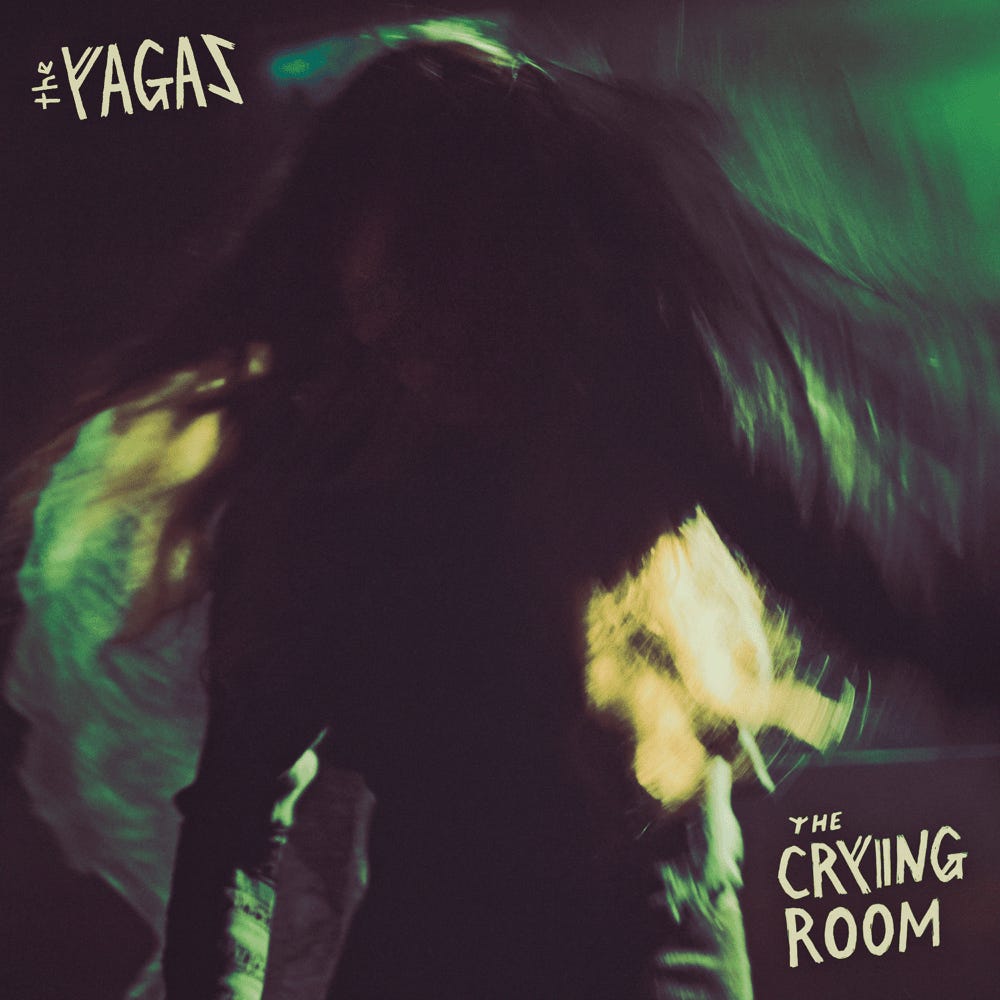
“The Crying Room” unfolds with a sense of emotional containment, as if fragility has already been placed behind a locked door. The performance does not reach or yearn for outward validation. It remains internal, preserving a stillness that feels both intentional and necessary. What emerges is not an expression of collapse, but a vulnerability rooted in endurance.
The composure that lingers throughout “The Crying Room” feels like an act of self-preservation. What is unveiled is a form of restraint rooted in protection rather than repression. The song maintains a careful distance from its own emotional center, suggesting an awareness of what must be restrained in order to preserve stability. This stoicism does not diminish vulnerability; it defines its boundaries.
As “The Crying Room” progresses, its restraint does not weaken, but instead settles deeply into itself. The composed nuance of the song remains largely undisturbed, even as the emotional weight beneath it becomes increasingly perceptible, evoking reflection. This endurance allows the tension to exist without naming it, reinforcing the sense of preservation at the center of its emotional core.
By its final moments, the restraint that once defined “The Crying Room” begins to lose its rigidity. The voice no longer carries the same guarded composure, allowing for a something softer to emerge in its place. This shift does not arrive as a rupture, but as a quiet release, where the effort of preservation gives way to a state less burdened by its own containment. In the end, “The Crying Room” reveals the necessity of a space where solace can exist without resistance. What remains is not resolution, but the emotional aftermath of having to endure it.